Douay form Abdias · also Obadiah · Old Testament · 21 verses
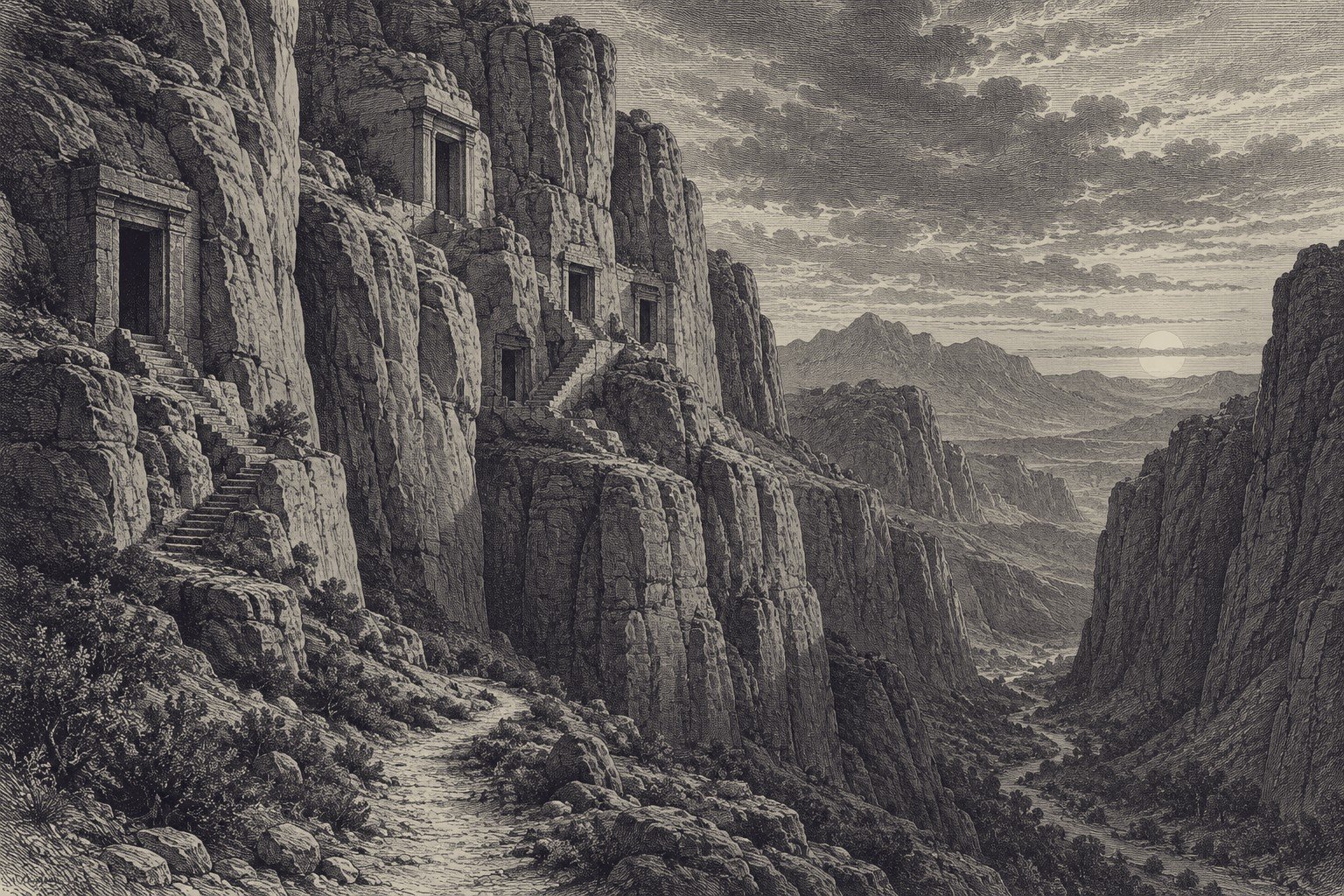
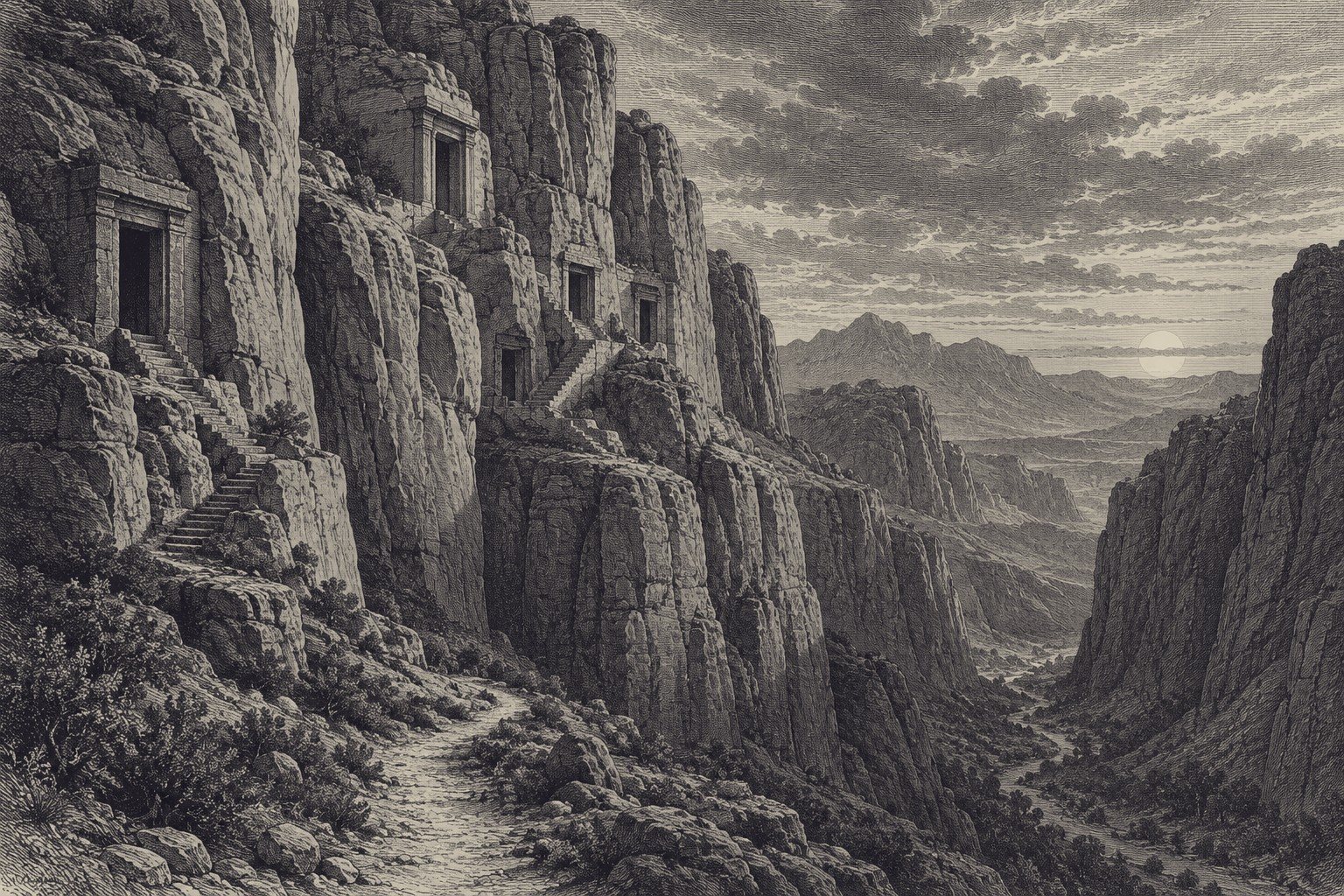
The shortest book of the Old Testament: twenty-one verses against Edom, the people of Esau, who dwelt in the clefts of the rock and looked on when their brother Jacob fell. Read complete in the Douay-Rheims, with the Latin Vulgate and the Spanish of Scío as further audio tracks to come, and Challoner’s own note in the margin.
Audio in three languages, soon
- English — Douay-Rheims · Obadiah · Challoner’s revision, 1749–1752 · the video’s own audio
- Latin — Clementine Vulgate · Rome, 1592 · recorded; coming to YouTube as an audio track
- Spanish — Felipe Scío de San Miguel · Valencia, 1790–93 · recorded; coming to YouTube as an audio track
The Latin and Spanish readings are finished and will be added to the video as audio tracks, with captions in all three languages, once YouTube allows it on this channel.
“The Prophecy of Abdias” (Obadiah), The Holy Bible, Douay-Rheims version, as revised by Bishop Richard Challoner, 1749–1752, with his notes (text from Project Gutenberg #1581). The second audio track reads the Clementine Vulgate (Sixto-Clementine, Rome, 1592) from the Latin printed in the Douay-Rheims and Latin Vulgate parallel at drbo.org, checked word for word against the eBible Clementine text. The third audio track reads the Spanish of Felipe Scío de San Miguel’s La Biblia Vulgata Latina traducida en español (Madrid, 1790–1793), with the spelling modernised. Public domain.
The whole book, all twenty-one verses, in Challoner’s Douay-Rheims. Two more audio tracks will follow on YouTube, reading the Latin of the Clementine Vulgate and the Spanish of Scío de San Miguel. Captions in all three languages come with them.
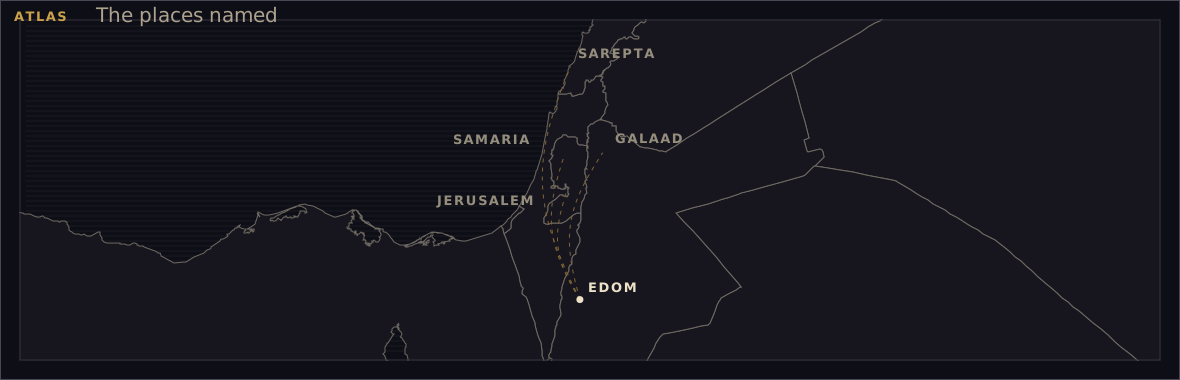
The places named — Edom · at 3:42
- Abdias0:10
“Abdias, whose name is interpreted the servant of the Lord… His prophecy is the shortest of any in number of words, but yields to none, says St. Jerome, in the sublimity of mysteries.” Challoner’s introduction, 1749–52.
- Edom0:24
South-east of the Dead Sea, in the hill country of Seir. Edom is Hebrew for ‘red’, Esau’s by-name from the red pottage (Genesis 25:30); ‘Esau dwelt in mount Seir: he is Edom’ (Genesis 36:8).
- A parallel0:45
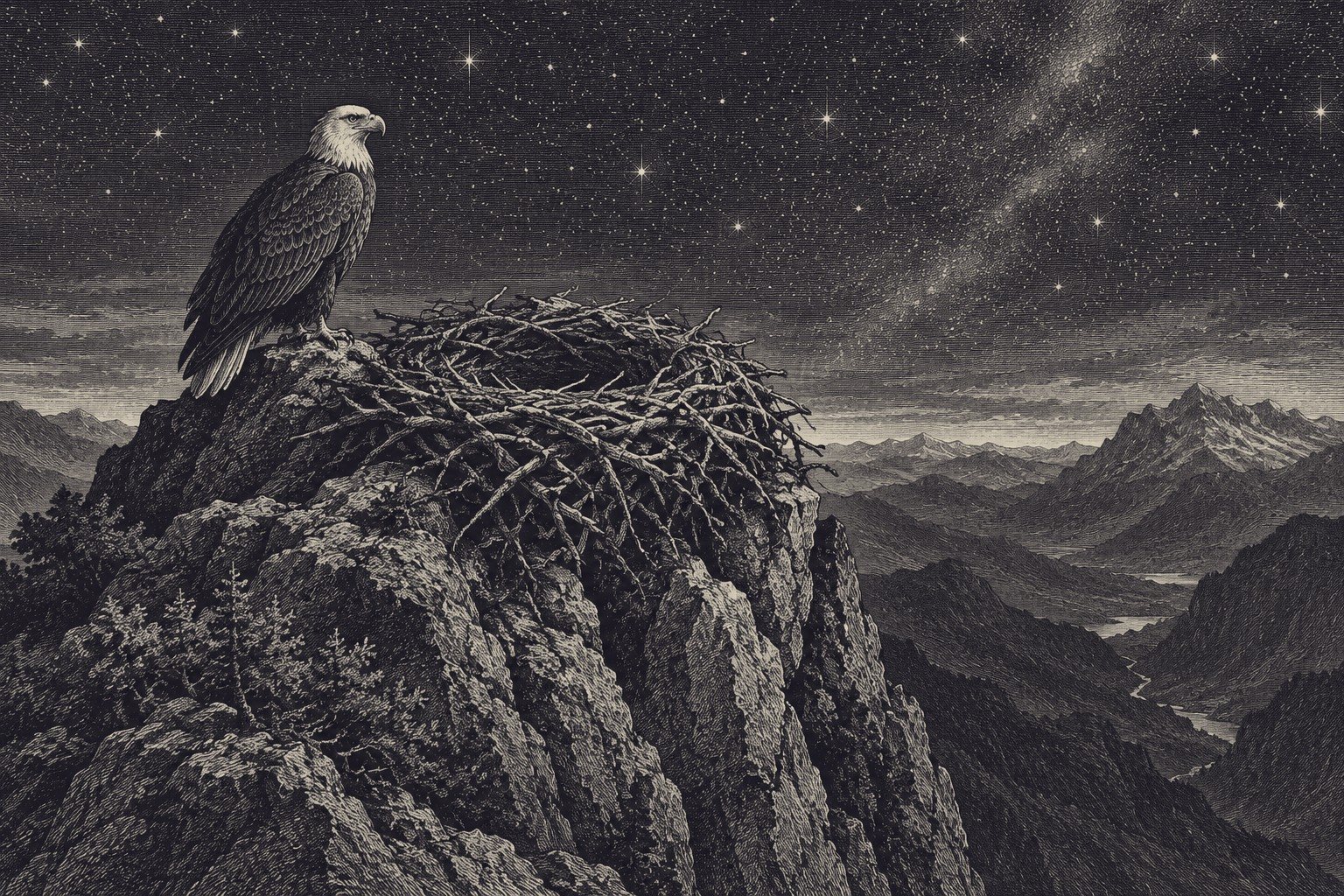
Jeremias 49:14–16 repeats these verses almost word for word: ‘I have heard a rumour from the Lord, and an ambassador is sent to the nations… though thou shouldst make thy nest as high as an eagle, I will bring thee down from thence.’
- Grapegatherers1:06
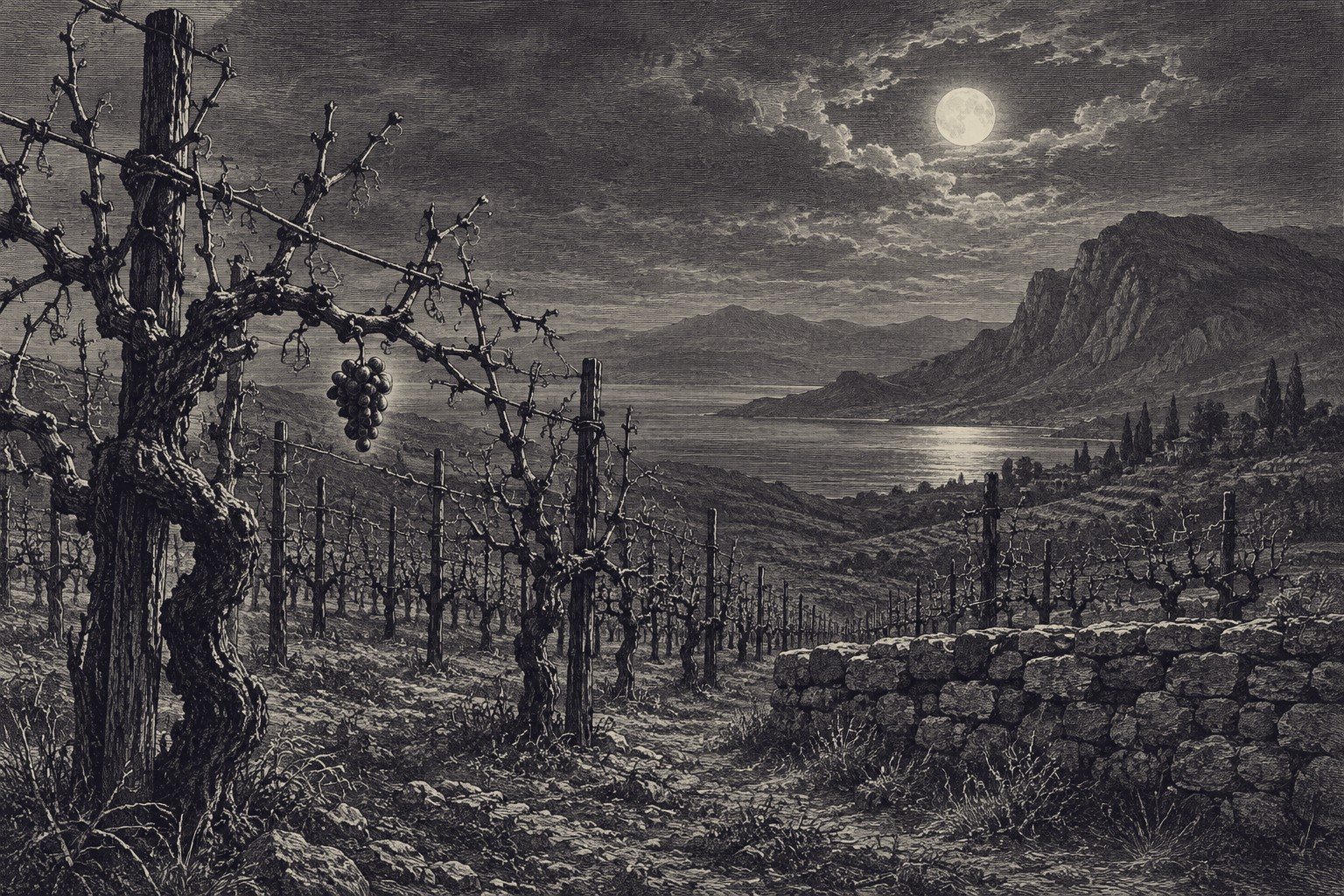
The law of the vineyard left fallen grapes ‘to the poor and the strangers to take’ (Leviticus 19:10). Even grape-pickers, the verse says, leave a cluster behind.
- Jerusalem2:08
The verse looks back on a capture of the city and the deportation of its people. The best known is the Babylonian conquest of 587–586 BC; the book itself gives no date.
- Magnify thy mouth2:24
“That is, thou shalt not speak arrogantly against the children of Juda as insulting them in their distress.” Challoner’s note on this verse.
- The Latin2:44
The second audio track reads the Clementine Vulgate, issued under Pope Clement VIII in 1592. Challoner revised this English to follow it.
- Mount Sion3:16
The hill of Jerusalem on which the Temple stood. In Scripture ‘Sion’ is often used for Jerusalem itself.
- Bosphorus4:07
The Hebrew has Sepharad, a place not securely identified. Jerome’s Latin, which the Douay follows, reads Bosphorus.